A budget that gets checked is a budget that works. The difference between people who succeed and people who quit is not willpower - it is having a simple weekly ritual.
YOUR WEEKLY RITUAL
5 Minutes. Every Sunday. That Is It.
The most successful budgeters do not check their budget every day. They check it once a week - and when they check it, they actually fix things.
Open CashClass (or your budget app) - 30 seconds
Check each category: are you on track? - 2 minutes
If a category is over: move money from wants to cover it - 1 minute
Note any upcoming big expenses this week - 1 minute
Done. Close the app. Enjoy your Sunday. - 30 seconds
Total: 5 minutes
"If you can brush your teeth every day, you can check your budget every week."
EARLY WARNING SYSTEM
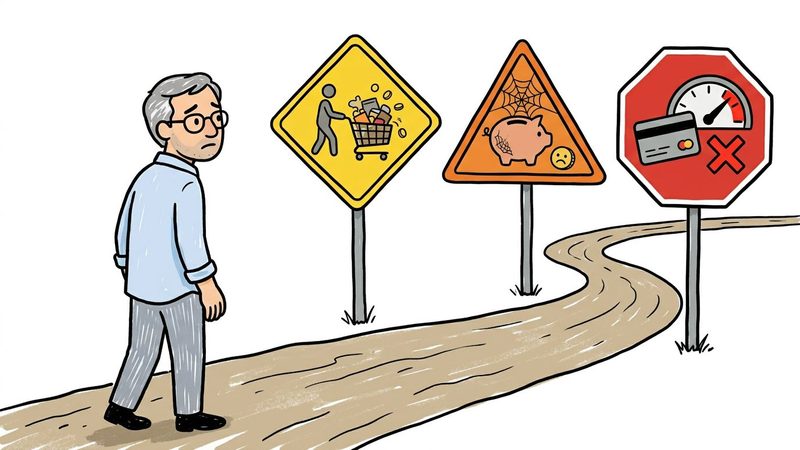
Your Budget Is About to Fail - Here Are the Signs
⚠️ You are avoiding looking at your budget
Schedule the Sunday check in your calendar. Missing one check is normal. Missing three means the system is wrong - not you. Simplify it.
⚠️ You keep moving money from savings to cover spending
Your wants budget is too tight. Increase wants by $100 and decrease savings temporarily. A budget that feels impossible gets abandoned.
⚠️ You blow the budget in week 3 every month
You have a week 3 spending pattern. Identify the trigger (payday exhaustion? stress spending?) and build a $100 buffer specifically for week 3.
WHAT WOULD YOU DO?
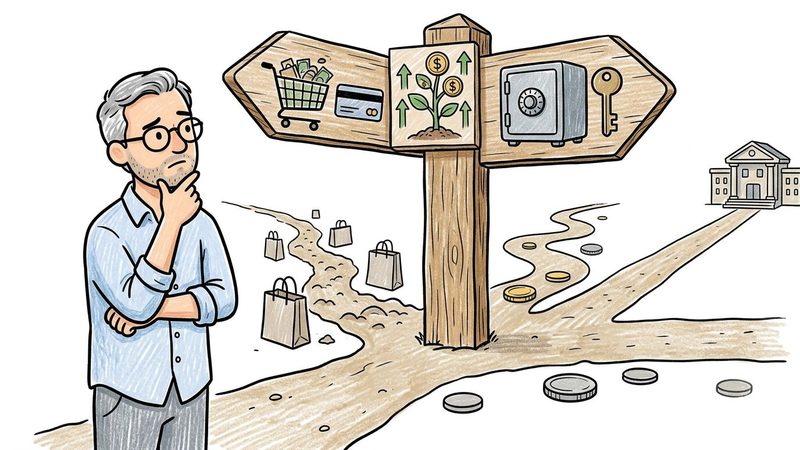
It Is Week 3. Your Dining Budget Is Empty.
You have $0 left in your dining/restaurant budget. It is only the 20th of the month. Your friends want to go out for dinner tonight.
Solid willpower! But note: occasionally saying no to everything leads to budget burnout. A $20 dinner is okay if it means you stay on track long-term.
Smart compromise. Keeping the damage small and being present is better than isolation.
This is called "budget flexibility" - moving money between categories is totally fine as long as total spending stays within income. This is the right move.
Danger zone. Credit card spending is the #1 budget killer. This starts a cycle that is hard to break.
YOUR GOAL
Set Your First Savings Goal
The difference between saving and saving for something is massive. A specific goal with a deadline creates motivation that willpower alone cannot.
Enter amounts above to see your timeline
✓ Goal saved! Your goal is now linked to your budget. Every savings deposit gets you closer.
YOUR JOURNEY CONTINUES
Budgeting 101 Is Just the Beginning
Debt-Free 101
The proven system to eliminate all debt in 3-7 years regardless of income. Most people overpay by $40,000+ in interest.
Credit Score Secrets
How the credit score algorithm actually works - and the 5 moves that raise your score 50-100 points in 90 days.
Investing Basics
How to start investing with $100/month, the index fund strategy that beats 94% of professional fund managers.
THE SCIENCE OF HABITS
Why This Budget Will Be Different
1. Cue - Routine - Reward
Sunday morning + coffee = budget check. The cue (coffee) triggers the routine (check). The reward (peace of mind) reinforces it. This is the habit loop.
2. Identity Over Willpower
Instead of "I am trying to save money", say "I am someone who checks my budget every Sunday". Identity-based habits stick. Willpower-based habits do not.
3. Never Miss Twice
Miss your weekly check once? Fine. Everyone does. Miss twice in a row and the habit is broken. The rule: never miss twice.
MONTHLY RITUAL
The 15-Minute Monthly Review
Compare last month's budget vs actual spending
Find the biggest category variance (over or under)
Update any category amounts that need adjusting
Check progress toward your savings goal
Update your budget for this month's unique expenses
Celebrate one win from last month (name it!)
Most budget failures happen because people set a budget once and never update it. Life changes. Your budget should too.
FINAL QUIZ
Budgeting 101 - Final Check
0/5
Correct Answers
🎉
BUDGETING 101
COURSE COMPLETE
Congratulations! You have completed Budgeting 101.
CashClass
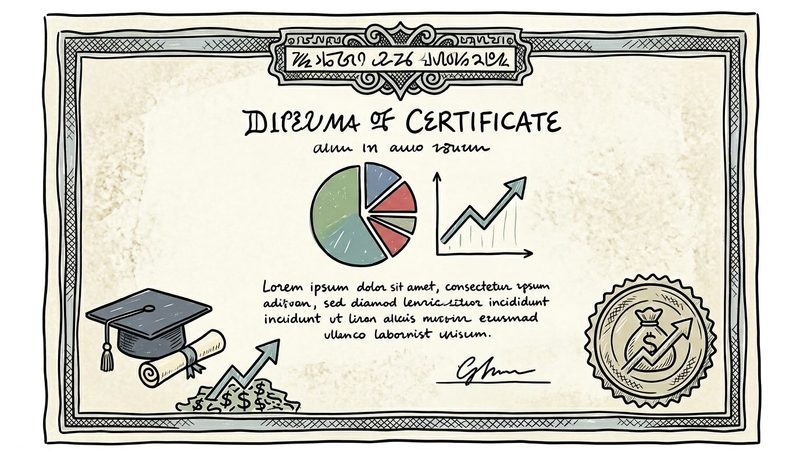
Certificate of Completion
BUDGETING 101
This certifies that you have completed the Budgeting 101 course including: Income Mastery, Expense Tracking, Budget Building, and Habit Formation